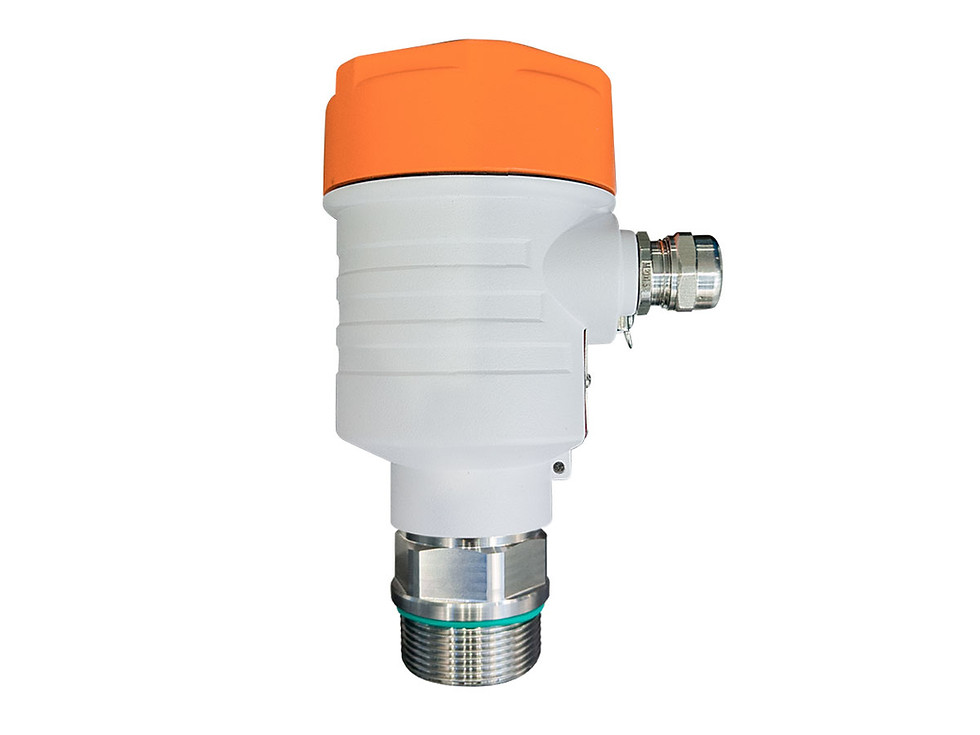
Range limitations: Ultrasonic level transmitters have a limited measurement range, typically up to about 20 to 30 meters max. If a greater measurement range is required, a different type of level sensor, such as a radar level transmitter, may be necessary.
Temperature limitations: Ultrasonic level transmitters can be affected by changes in temperature, which can cause the speed of sound to vary. This can result in inaccurate measurements if the temperature is not compensated for.
Density and viscosity limitations: Ultrasonic level transmitters rely on the reflection of sound waves to determine the level of the liquid or solid. If the density or viscosity of the material is very different from that of water, the accuracy of the measurement may be affected.
Obstacles: Obstacles such as sludge, foam, or buildup on the tank walls can cause measurement errors.
Noise interference: Ultrasonic level transmitters can be affected by noise interference, such as that generated by nearby machinery or equipment.
Material compatibility: Ultrasonic level transmitters are not suitable for use with certain materials, such as very viscous liquids or highly abrasive solids, which can damage the transducer.
Installation and maintenance: Ultrasonic level transmitters require careful installation and calibration, and regular maintenance is necessary to ensure accurate and reliable operation.